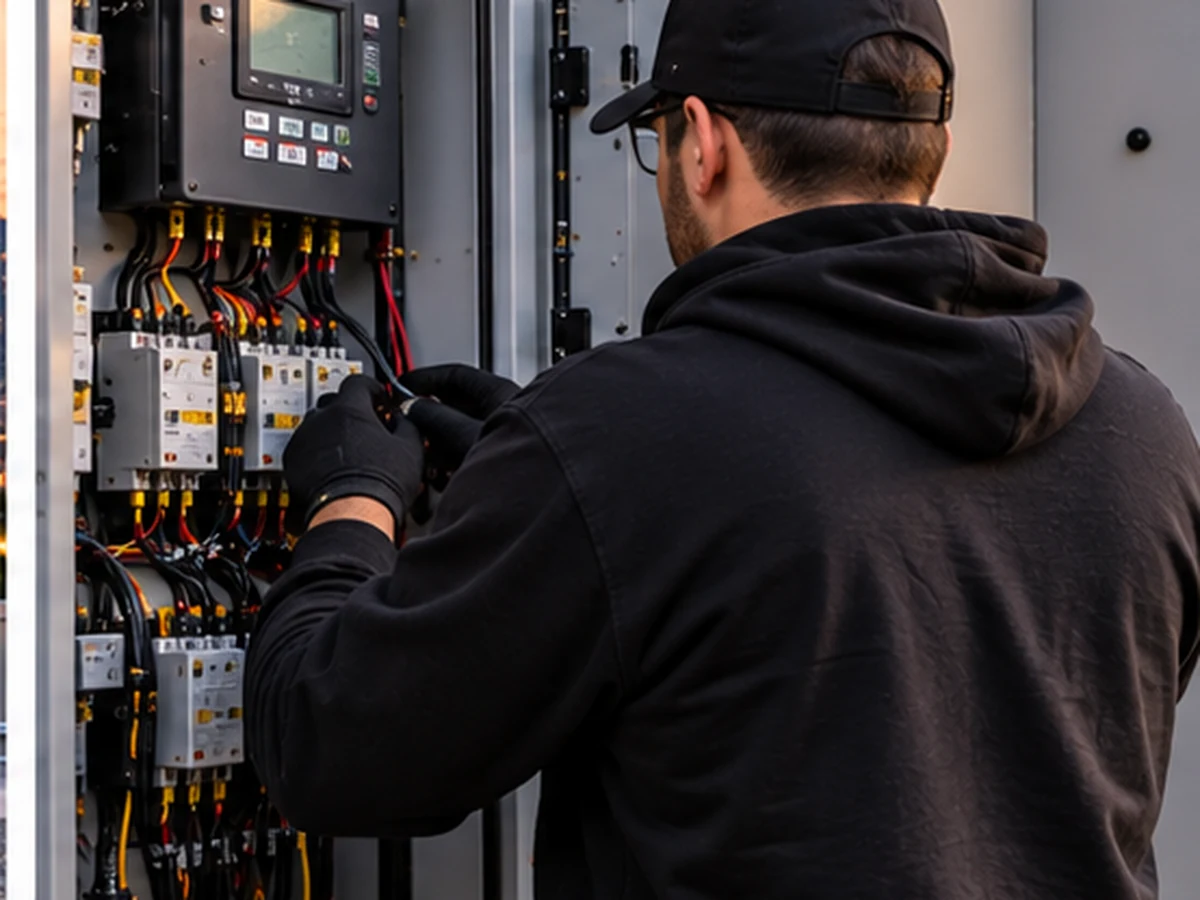
Choosing a backup generator starts with understanding what you need it to do. The right choice depends on which appliances and systems you want to keep running, the fuel available at your home, how you want the generator to operate and the budget you are working with. This guide explains the main types of home backup generators and the factors Vaughan homeowners should consider before deciding on a backup power solution.
Why Vaughan Homeowners Consider Backup Power
Vaughan, like many areas in Ontario, can experience power outages caused by snowstorms, ice storms and thunderstorms. Depending on the severity of the storm, an outage can last anywhere from a few minutes to several days. A backup generator can keep essential systems running until utility power returns.
- Power during emergencies: Whether the cause is a storm or a grid failure, a backup generator helps keep essential services such as heating, lighting and refrigeration working.
- Keeping appliances and electronics running: A reliable backup supply helps keep important appliances and electronics available during an outage instead of leaving the household without them.
Types of Home Backup Generators
Understanding the main types of generators is the first step in choosing the option that fits your home:
1. Portable Generators
Portable generators are a common option for homeowners who need backup power for essential appliances such as refrigerators, lights and heaters. They typically run on gasoline or propane and can be moved as needed. However, they require manual setup and are not as powerful as standby generators.
Pros:
- Less expensive than standby generators
- Easy to store and transport
- Suited to short-term use or smaller homes
Cons:
- Requires manual operation
- Limited power capacity
- Must be refuelled periodically
2. Standby Generators
Standby generators are permanently installed and connected to the home’s electrical system. They typically run on natural gas or propane and can start automatically when the power goes out, providing a more seamless and hands-off backup power solution.
Pros:
- Automatic startup
- Can be planned to power the entire house
- More reliable than portable generators
Cons:
- Higher upfront cost
- Requires professional installation
3. Inverter Generators
Inverter generators are a type of portable generator that provides cleaner power and quieter operation. They are well suited to sensitive electronics, such as computers and televisions, because they produce a stable power output.
Pros:
- Quiet operation
- Stable, clean power for sensitive electronics
- Compact and lightweight
Cons:
- Limited power output
- Higher price than regular portable generators
Standby vs. Portable: Which Fits Your Home?
Standby generators start automatically, without any input from you, when the power goes out. Portable generators must be turned on manually and connected to the appliances you want to power. If convenience and whole-home coverage are priorities, a standby generator is usually the better fit. If you only need to run a few essentials for short periods, a portable or inverter generator may be enough.
Factors to Consider When Choosing a Backup Generator
1. Power Requirements
The amount of power you need depends on the size of your home and the number of appliances you want to keep running during an outage. To estimate your needs:
- List the essential appliances and systems you want to power, such as lights, the refrigerator, heating and key electronics.
- Add up the wattage requirements of each item.
- Look for a generator that provides slightly more capacity than your total, and have an electrician confirm the load requirements for your home.
2. Fuel Type
Home backup generators generally use one of three fuel types:
- Gasoline: Widely available, but requires frequent refuelling.
- Natural gas: Convenient because it connects directly to your home’s gas line, but it may not be available at every property.
- Propane: Clean-burning and stored in tanks, but it can cost more to run than natural gas.
3. Noise Levels
Backup generators can be noisy, especially portable models. If you have neighbours nearby, consider a quieter model and plan the location with noise in mind.
4. Placement
Where the generator will go affects which type makes sense. Standby generators are installed outdoors, typically on a concrete or gravel pad, with enough space around the unit for airflow and maintenance. Ventilation, noise and the distance to utility connections all need to be considered when choosing a location.
5. Budget
Your budget is shaped by the type and size of generator, the fuel it uses, its features and the installation requirements of your property. The level of coverage you want, whether a few essential circuits or the whole home, also has a large effect. Set a budget that reflects both the equipment and the installation.
Planning the Installation
Once you know which type of generator suits your home, the installation needs to be planned around your electrical system. A standby generator is typically connected to the electrical panel through an automatic transfer switch, and this work should be carried out by a licensed electrician. For an overview of each step, read our guide on how to install a backup generator for your home in Vaughan.
Maintaining Your Generator
Regular maintenance keeps a backup generator ready when you need it. Most standby generators need relatively little upkeep, but an annual inspection and service is recommended. Key maintenance tasks include:
- Changing the oil and air filters
- Checking the fuel supply and replacing old fuel
- Testing the battery and making sure it is charged
- Inspecting the transfer switch for proper operation
Next Steps
The right backup generator for your Vaughan home comes down to your power needs, the fuel available, how you want the system to operate, where it can be placed and your budget. When you are ready to plan an installation, learn more about professional backup generator installation in Vaughan, or explore our backup generator services for homes across the GTA.
